

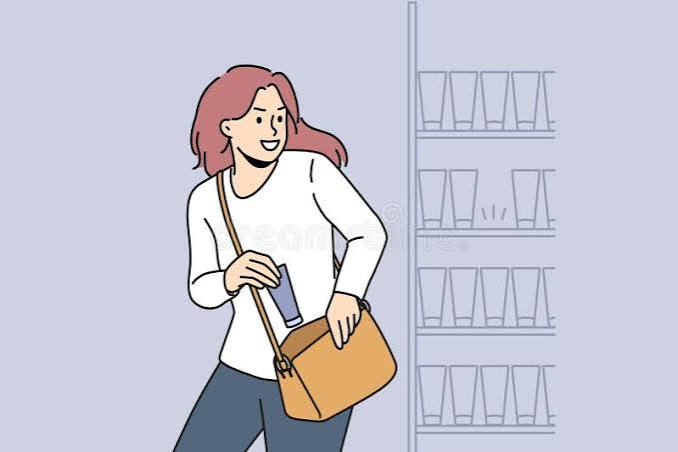
Many people have briefly wondered what it would be like to take something without paying, and self-checkout can lead to honest mistakes. Neither experience alone indicates a disorder. Kleptomania is different. It involves recurring, difficult-to-resist urges to steal items that are often unnecessary or of little value. Understanding that distinction can help replace assumptions about a lack of self-control with a more informed view of kleptomania as a mental health condition.
What is Kleptomania?
Kleptomania is a rare but serious impulse-control disorder marked by recurring, difficult-to-resist urges to steal items that are not needed for personal use or monetary value. The items are often inexpensive and affordable to the person taking them. Unlike ordinary theft, the behavior reflects difficulty controlling a powerful impulse, even when the person understands the possible consequences for themselves and others.
Symptoms
The main symptom of kleptomania is an inability to resist the urge to steal items that are not needed. Before a theft, a person may experience increasing tension, anxiety, or arousal. During the act, they may feel pleasure, relief, or satisfaction. Guilt, remorse, self-loathing, shame, or fear of arrest may follow. These feelings can form a recurring cycle in which mounting tension leads to stealing, temporary relief, and then distress.
Shoplifting alone does not mean that a person has kleptomania. People may shoplift for personal gain or on a dare, while those with kleptomania may steal because the urge feels too powerful to resist. Episodes often occur suddenly, without planning or help from others. The person can usually afford the item, which may have little personal value. Stolen items may be hidden and never used, donated, given away, or quietly returned to the place from which they were taken.
Causes
The cause of kleptomania is unknown, but several theories focus on brain chemistry and learned patterns of behavior. Low serotonin levels, which can affect mood and emotional regulation, have been associated with impulsive behavior. Stealing may also trigger the release of dopamine, a neurotransmitter linked to feelings of pleasure, which could reinforce the behavior. In addition, an imbalance in the brain’s opioid system, which helps regulate urges, may make those urges more difficult to resist.
Treatment
Kleptomania can be difficult to overcome without help, making professional treatment important. Medication, psychotherapy, or a combination of both may be used, sometimes alongside self-help groups. Naltrexone, a medication also used in addiction treatment, may reduce urges and the pleasure associated with stealing. Cognitive behavioral therapy may include several techniques. Systematic desensitization and counter-conditioning teach relaxation and coping strategies for triggering situations. Covert sensitization asks a person to imagine stealing and experiencing negative consequences. Aversion therapy pairs an urge with a mildly uncomfortable response, such as briefly holding one’s breath.
Recognizing the Signs and Finding Support
An occasional thought about taking something or an honest self-checkout mistake does not indicate kleptomania. Concern may be warranted when urges to steal unnecessary items are recurring, difficult to resist, and followed by distress or serious consequences. Anyone experiencing this pattern should consider seeking help from a qualified mental health professional. If you are concerned about a loved one, starting a compassionate, nonjudgmental conversation and offering support may help them take the first step toward treatment.